Thinking about a lake home near Sebago but worried winter will slow you down? You’re not alone. Late winter can be a smart time to shop if you plan ahead for showings, inspections, and access. In this guide, you’ll learn how to travel safely, what you can and can’t inspect in cold weather, and how to write a strong, protected offer.
Let’s dive in.
Why shop in late winter
You’ll likely face less buyer competition. Many shoppers pause until spring, so you may get more time at showings, better access to inspectors, and a more receptive negotiation window. Scheduling can be easier too.
The tradeoff is lower inventory. Desirable lakefront homes can still attract quick interest, and you might see fewer listings overall. Some features are also hard to evaluate when the ground is frozen or snow-covered, which adds uncertainty you’ll want to manage with smart contingencies.
If you’re traveling from the 04076 and York corridor into the Lakes Region, build in extra time. Winter road conditions can vary, and access to private camp roads may be limited after storms.
Plan travel and access
Getting there safely
Road conditions change fast in winter. Check conditions before you go, and plan around storms and temperature swings that can create black ice. A high-clearance AWD or 4WD vehicle is helpful, especially if you’ll be navigating private or seasonal roads.
Many lake properties sit on private lanes or shared drives. Verify who plows and sands these areas and whether the seller maintains year-round access. Ask your agent to confirm parking and which entrance is safest to use on tour day.
What you will and won’t see
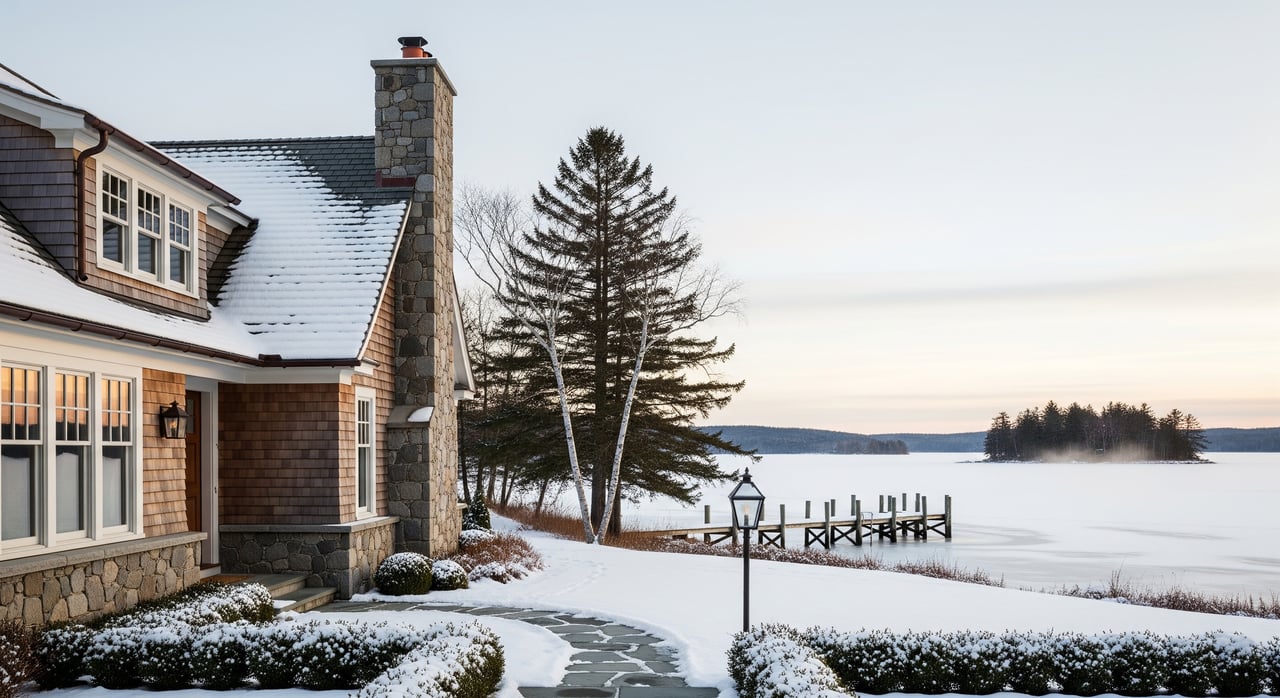
Seasonal features are often removed or hidden. Docks, boat lifts, and shoreline walkways are commonly taken out for winter or buried under snow. Exterior grading, drainage swales, and landscaping are hard to assess until thaw.
Driveways and secondary paths may be narrowed by snowbanks. Sellers may not be able to demonstrate lakeside amenities fully, so request additional visuals.
Showing-day checklist
- Wear traction cleats and waterproof boots.
- Bring a flashlight for crawlspaces, attics, and utility rooms.
- Use an AWD/4WD vehicle and confirm parking/access with your agent.
- Ask the listing agent for seller-provided summer photos or video of docks, boathouses, and shoreline.
- Follow seller and agent instructions for where to walk to avoid damaging vegetation under snow.
Inspections in winter
What inspectors can do now
You can still complete a thorough check of major systems. Heating systems, hot water, electrical panels, plumbing leaks, and visible foundation conditions can be evaluated. Roofs, attics, and insulation can be assessed for ventilation and ice dam risks.
Radon testing often works well in winter because homes are closed up. Chimneys, woodstoves, and solid-fuel appliances can be inspected for safety and creosote. Interior moisture and mold checks are also feasible.
What may need spring
Frozen ground limits grading and drainage assessments. Septic absorption fields, distribution boxes, and deep soil or percolation testing usually can’t be completed until thaw. Full well yield testing may be limited if systems aren’t fully operational.
Snow and ice can obscure docks, pilings, decks, boathouses, and shoreline erosion. Tree health and landscaping conditions are also hard to verify.
Workarounds that protect you
- Request seller documentation: septic pump and service records, well test results, and maintenance logs for docks or shoreline work.
- Include an inspection contingency that allows a follow-up re-inspection after thaw.
- Use experienced winter inspectors who recognize signs like ice dams, frozen pipes, or insulation gaps.
- Consider an escrow holdback or seller credit to cover potential spring repairs, or tie closing to acceptable post-thaw results.
- Coordinate appraisal and lender timelines to match your inspection plan.
Lake access and rules
Confirm legal access
Do not assume that water views equal lake rights. Confirm deeded access, recorded easements, or membership in a beach or lake association. Ask for copies of the deed, survey, covenants, and any association bylaws that define rights-of-way, launch privileges, or shared beach use.
Shoreland zoning and watershed protections
Maine’s shoreland zoning rules set setbacks, vegetation buffers, and limits on structures and tree work near the water. These local and state rules affect docks, boathouses, expansions, and new construction. In the Sebago watershed, additional protections may apply because parts of the watershed supply drinking water; confirm any restrictions or best practices that could affect your plans.
Docks, permits, and ice safety
Many towns require permits for docks or moorings, and most docks are seasonal and removed for winter. Ask whether permits are current and how the dock is installed each season. Ice thickness varies and is never guaranteed safe; consult local authorities or lake associations for current conditions and typical ice-out timing.
Insurance considerations
Winter hazards like ice damming, heavy snow loads, and spring shoreline flooding can affect coverage. Review flood maps and talk with an insurance agent early about required or recommended policies for properties near the water.
Offer strategies in tight inventory
Do your pre-work
Secure a mortgage pre-approval and align expectations with your lender about appraisal timing in the off-season. Know recent comparable sales and typical days on market for the towns you’re targeting. Have a title company or attorney ready to review recorded easements and access rights.
Smart contingencies
Keep inspection and financing contingencies, but tailor them to winter realities. Consider an inspection contingency that specifically allows a seasonal re-inspection after thaw. Add separate septic and well contingencies that require seller records and schedule spring testing.
Coordinate your appraisal contingency with the timeline your lender can support. If competition is high, you can shorten periods without giving up needed protections.
Negotiation levers
- Offer flexible closing or possession dates that help the seller.
- Use an escalation clause or a higher earnest money deposit if appropriate and understood.
- Ask for a seller credit at closing rather than pre-closing repairs, especially for items that can’t be verified until spring.
- Consider an escrow holdback for seasonal issues with clear release conditions.
Know when to pause
If critical systems like the septic or well can’t be verified and the seller won’t allow post-thaw testing or escrow, weigh the risk. You can request a price adjustment or decide to walk away and wait for a better fit.
Quick buyer checklists
Documents to request before offering
- Deed and survey or plot plan showing the waterline and setbacks
- Septic service and pump records; any septic permits
- Well testing or maintenance records
- Dock and shoreline permits, if applicable
- HOA or lake association rules and fee schedule
- Recent summer photos or video of lakeside amenities
Winter inspection priorities
- Heating system and fuel storage or lines
- Attic insulation and roof ventilation to reduce ice dams
- Chimney/woodstove safety inspection
- Foundation and basement moisture and insulation
- Electrical service and panel condition
- Visible septic components plus pump records
- Radon testing
Showing prep and safety
- Wear traction cleats and waterproof boots
- Bring a flashlight
- Use a capable winter vehicle and check conditions ahead of time
- Confirm parking and entry instructions with your agent
Ready to tour lake homes?
You can shop the Sebago-area market in late winter with confidence when you plan for access, focus inspections on what’s feasible now, and structure contingencies for spring. If you’re weighing options from 04076 or nearby York County communities, our local team can coordinate showings, connect you with winter-savvy inspectors, and help you write a strong, well-protected offer.
Have questions or want to see what’s available? Reach out to the team at KW Lifestyle Properties for local guidance and next steps.
FAQs
Can I inspect a septic system in winter?
- Not fully. You can review records and inspect visible components now, then plan performance testing after thaw with a contingency or escrow holdback.
Will my lender appraise a lake home with docks removed?
- Yes. Appraisers document seasonal features and may rely on seller photos and summer comparables. Coordinate timing and expectations with your lender.
How do I verify legal lake access before I buy?
- Request the deed, survey, recorded easements, or association documents that define access. A title search can confirm what’s recorded.
Is winter ice a reliable measure of lake usability?
- No. Ice conditions vary. Always check with local authorities or lake associations for current safety information and typical ice-out timing.
What if I can’t test the well or septic until spring?
- Use contingencies that allow post-thaw testing, ask for seller records now, and consider an escrow holdback or credit to manage risk.
Who plows private camp roads and driveways?
- It varies. Some owners contract plowing privately or through an association. Confirm the maintenance arrangement, costs, and year-round access in writing.