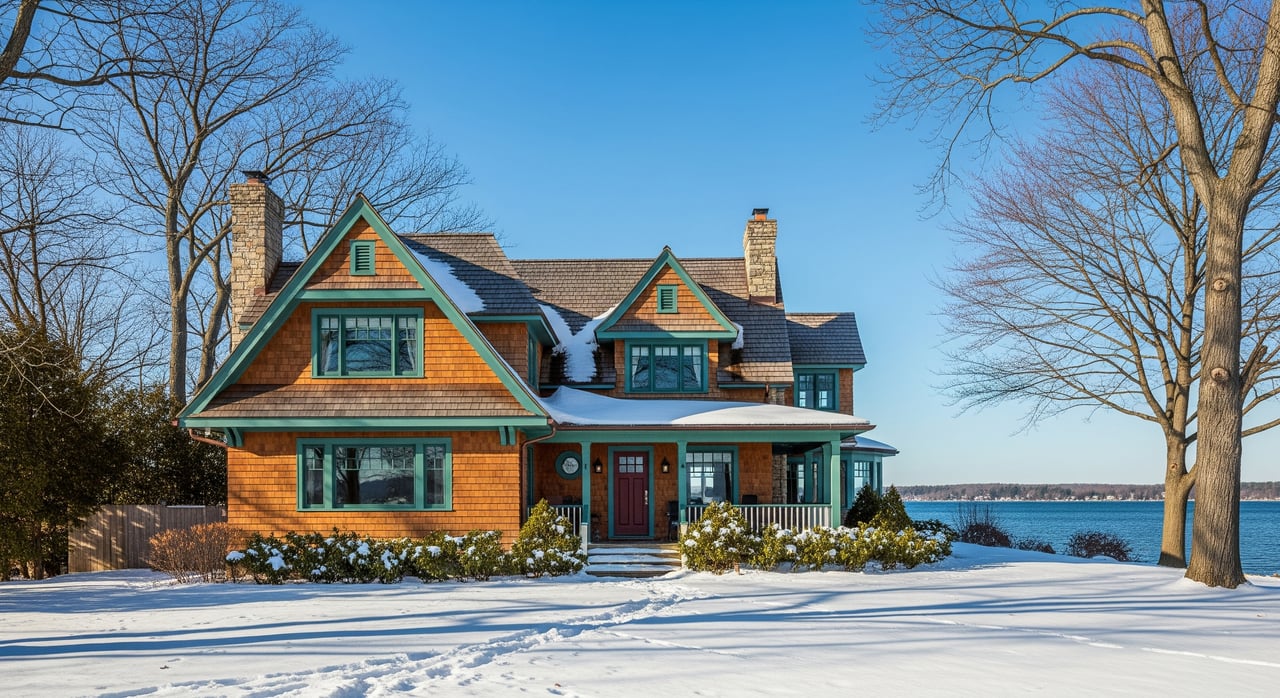
Is your lakes-region home ready for a Maine winter? Long cold snaps, heavy snow, and freeze–thaw cycles can turn small issues into big repairs, especially around Sebago and York County’s inland lakes. Whether you live here year-round or head south after foliage season, a clear plan keeps your home safe and your winter stress low. In this guide, you’ll get a practical checklist, a simple timeline, and quick cues for when to call local pros. Let’s dive in.
Know your winter risks
Homes around Sebago and nearby lakes face persistent sub-freezing weather, frequent thaw cycles, and plenty of snow and ice. That mix raises the chance of frozen pipes, ice dams, roof leaks, and heating failures. Shoreline properties often rely on wells and septic systems, and many have docks to winterize.
For weather alerts and storm timing, follow the local National Weather Service office in Gray for watches and warnings. For broader climate context, explore NOAA’s National Centers for Environmental Information. These resources help you plan around storms instead of reacting to them.
- Check local storm alerts: National Weather Service Gray, ME
- Climate context and seasonal trends: NOAA National Centers for Environmental Information
Your winter checklist
Early fall: September–October
- Heating and fuel
- Schedule an annual service for your boiler, furnace, or heat pump. Ask for a combustion safety check, burner tune-up, filter change, and thermostat check. For heat pumps, confirm cold-weather performance and clear debris around outdoor units.
- Confirm your oil or propane delivery plan and emergency contacts. If you use a wood or pellet stove, book a chimney sweep and flue inspection.
- Roof and gutters
- Inspect shingles and flashing and repair any issues before heavy snow. Clean gutters and downspouts to reduce ice dams.
- Peek into the attic to check insulation and ventilation. Poor attic air sealing is a common cause of ice dams.
- Trees and snow planning
- Trim dead or risky branches near your roof or service lines. Set up your snow-plow contract and stock de-icing supplies that are safe for shoreline and septic areas.
- Septic and well
- If your septic is due, pump it before the ground freezes. Check the wellhead seal and protect the pressure-tank area from freezing.
Pre-freeze: late October–November
- Plumbing and exterior water
- Insulate exposed pipes in basements, crawlspaces, and garages. Shut off and drain exterior spigots and irrigation lines.
- Label and test main water and fixture shutoff valves so you can act fast in an emergency.
- Seasonal-home readiness
- Set up remote temperature monitoring or hire a winter-watch service. Confirm your insurer’s winter requirements.
- If you will leave the home unheated, schedule a professional plumbing winterization.
- Fuel and safety
- Verify automatic fuel deliveries and minimum-order policies. Replace smoke and carbon-monoxide detector batteries.
First sustained freeze
- Test run your generator and verify the transfer switch operates safely.
- Confirm thermostats are holding temperature and remote alerts are working.
- Winterize docks and boats based on your plan and product guidance.
Mid-winter checks (monthly)
- Walk your home after big storms. Look for icicles, roof-edge ice buildup, and interior water stains.
- Keep snow cleared from mechanical vents, meter boxes, and fuel fills. Check unheated spaces for cold drafts.
- Monitor interior temperature and critical alerts weekly if you are away.
After storms and during thaws
- Inspect ceilings and top-floor walls for new stains or drips. Check basement and foundation areas for water entry.
- Watch for slow drains or septic stress. Look at exterior hose bibs for frost damage.
Occupied vs seasonal homes
If you live here year-round
- Keep indoor temperatures steady and avoid drastic setbacks in extreme cold.
- During deep freezes, let a slow trickle run from faucets on vulnerable lines if your plumber and insurer recommend it.
- After heavy snow, consider professional roof snow removal if loads look significant.
If your home sits vacant
- Heat on or off?
- Most insurers and plumbers recommend keeping heat at 50 to 60°F to prevent frozen pipes. If you turn heat off, have a licensed plumber fully winterize the system.
- Remote monitoring
- Pair a smart thermostat with temperature and leak alerts, or hire a winter-watch service for periodic checks.
- Water systems
- Turn off the main water, drain lines, and add RV or low-tox antifreeze where a plumber advises. Protect the well pressure-tank area from freezing.
- Docks and shoreline
- Follow manufacturer guidance for dock removal or in-water storage, and check local rules before shoreline work.
Heating and fuel: when to call a pro
- What to do now
- Book a pre-winter tune-up for boilers, furnaces, and heat pumps. Confirm oil or propane delivery schedules and emergency service windows.
- If you heat with a wood or pellet stove, schedule a chimney sweep and verify carbon-monoxide detector placement.
- When to call
- No heat, unusual odors, soot, or suspected carbon monoxide. For heat pumps, poor cold-weather performance. For fuel leaks, call immediately.
- Helpful resource
- For practical heating and energy tips, visit Efficiency Maine.
Plumbing: prevent frozen pipes
- What to do now
- Insulate exposed piping and seal drafts around rim joists and sill plates. Drain and shut down exterior spigots and irrigation.
- Test and label shutoffs. For seasonal homes, hire a plumber to blow out lines and add antifreeze where needed.
- When to call
- Frozen pipes, leaks, or water heater problems. Do not use an open flame to thaw pipes.
- Helpful resource
- For well and septic basics, see the University of Maine Cooperative Extension.
Roof, gutters, and ice dams
- What to do now
- Repair shingles and flashing. Clean gutters and confirm downspout flow. Check attic insulation and ventilation to reduce ice dam risk.
- Consider professional roof snow removal after major storms if loads are heavy.
- When to call
- Visible ice dams, interior leaks after thaw cycles, or sagging roof areas. Hire pros for safe ice-dam removal to avoid further damage.
Septic and well care
- What to do now
- Pump your septic if it is due before winter. Keep heavy equipment, stacked firewood, or vehicles off the drainfield. Protect septic covers from damage.
- For wells, check the wellhead seal and prevent freezing around pressure tanks.
- When to call
- Slow drains, sewage odors, backups, or suspected frozen well lines.
- Helpful resources
- Septic and well guidance: University of Maine Cooperative Extension
- Shoreland and septic rules: Maine Department of Environmental Protection
Electrical, generators, and safety
- What to do now
- Test GFCI and AFCI breakers. Replace batteries in smoke and carbon-monoxide detectors. If adding a generator, use a licensed electrician for transfer switch installation and code compliance.
- When to call
- Any panel issue, generator installation, or persistent tripping breakers.
- Helpful resources
- Storm prep and emergency planning: Maine Emergency Management Agency
- Electric outage information: Central Maine Power
Exterior, trees, driveways, and shoreline
- What to do now
- Trim dead or dangerous branches near buildings and service lines. Clear debris from around foundations and HVAC equipment.
- Choose de-icers that are safe for vegetation, dock materials, and septic areas. Confirm snow-plow access and mark driveway edges.
- Docks and erosion
- Remove or secure docks following manufacturer guidance. Inspect seawalls, riprap, and drains. Check with your town or the Maine DEP before shoreline work.
Quick reference: who to call and what to say
Immediate issues and the right pro
- No heat or carbon-monoxide concern: HVAC tech or emergency services.
- Roof leak or ice dam: roofer who handles winter mitigation.
- Frozen or burst pipe, active leak: licensed plumber. Shut off main water first.
- Septic backup: licensed septic contractor.
- Fallen tree on a structure or wires: emergency services, utility, and a certified arborist. Never touch downed lines.
- Generator installation or electrical faults: licensed electrician.
What to have ready when you call
- Property address and best callback number.
- Brief symptom and when it started.
- System make, model, and approximate age if known.
- Access details: doors, gates, alarms, pets, plowed driveway.
- Whether the home is occupied and if water or power is shut off.
Insurance and documentation
- Review your homeowners or seasonal policy for winter requirements, including any minimum heat settings and vacancy check-ins.
- Photograph key systems and vulnerable areas and save serial numbers for major equipment.
- Keep a printed list of emergency contacts: plumber, HVAC, electrician, fuel supplier, winter-watch service, town office, local fire department, and utility.
Local resources to bookmark
- Weather alerts and forecasts: National Weather Service Gray, ME
- Climate context and normals: NOAA National Centers for Environmental Information
- Heating and efficiency programs: Efficiency Maine
- Septic, wells, wood heat guidance: University of Maine Cooperative Extension
- Shoreland rules and permits: Maine Department of Environmental Protection
- State emergency management: Maine Emergency Management Agency
- Electric utility info: Central Maine Power
When you prepare early and check in after storms, you limit risk and avoid costly surprises. If you are planning a move, a second-home purchase, or you need trusted local referrals for winterization, our team can help you navigate options and connect you with vetted pros. Reach out to KW Lifestyle Properties to get started.
FAQs
Should I leave heat on in a vacant lakes-region home?
- Most insurers and plumbers recommend keeping the thermostat at 50 to 60°F to reduce freeze risk; if you turn heat off, have a licensed plumber fully winterize the system.
What is the easiest way to prevent frozen pipes?
- Insulate exposed pipes, seal drafts around foundations, keep interior temps above freezing, and drain lines if the home will be unheated for the season.
How can I spot an ice dam problem early?
- Look for icicles at the eaves, water stains on ceilings or walls after thaws, and unusual roof ridges; call a roofer and address attic insulation and ventilation.
Should I pump my septic before winter?
- If your tank is near its recommended interval or the home will be vacant, pumping before winter is common; consult a licensed septic pro or the University of Maine Cooperative Extension.
Do I need permits for dock removal or shoreline repairs?
- Many shoreline projects require notice or permits; check with your town office and the Maine Department of Environmental Protection before starting work.
What should I do right after a winter water leak?
- Shut off the main water, if safe cut power to the affected area, document damage with photos, call a licensed plumber, then contact your insurance carrier.