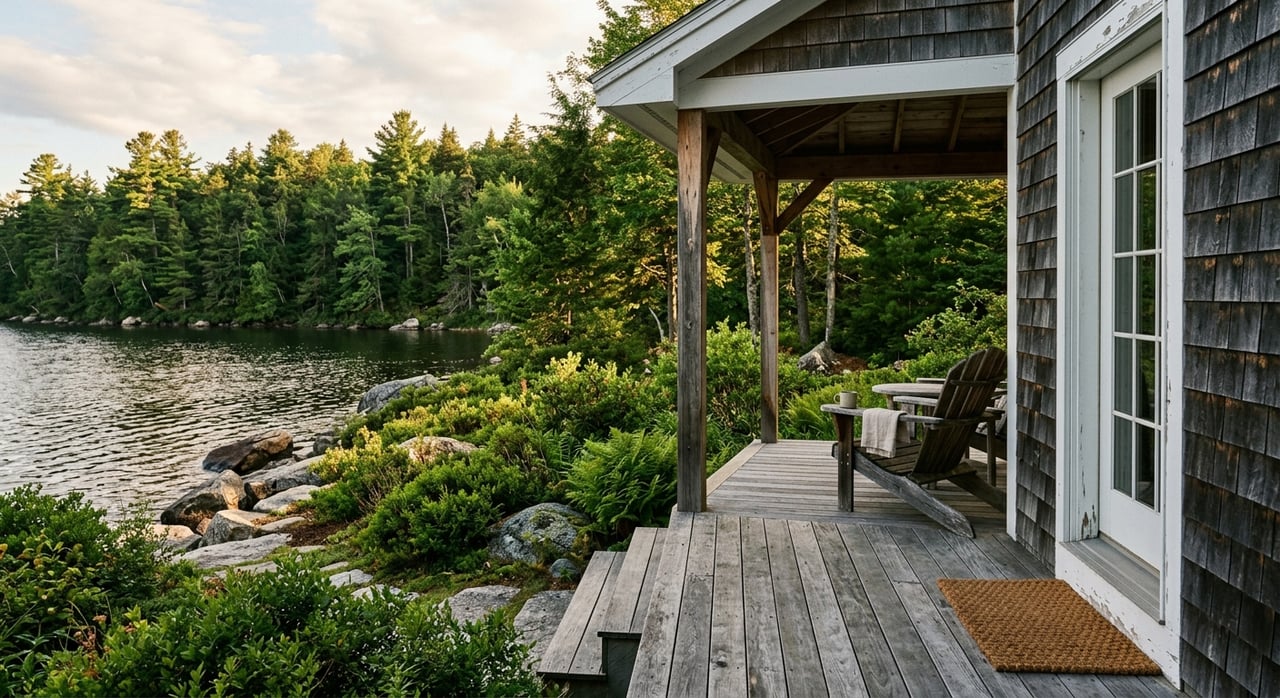
If you live in York, ME 04076, summer on Maine’s lakes might feel like the perfect reset. Picture clear water, sandy lake beaches, a simple dock, and a sunset campfire after a day of boating. You want that easygoing rhythm, but you also want to buy smart. In this guide, you will learn what summer life looks like on Sebago and the Lakes Region, what to know about shoreland rules, septic and wells, seasonal versus year‑round ownership, winter prep, and how to plan your next steps with confidence. Let’s dive in.
Summer on Sebago and nearby lakes
Sebago sits at the heart of Maine’s Lakes Region, with towns like Standish, Raymond, Casco, Naples, and Sebago surrounding its shores. You will find public beaches, marinas, boat launches, and a steady summer rhythm of small‑town services. As a major regional water source, Sebago is carefully protected, and that helps keep the lake clear and inviting for swimmers and boaters. The Portland Water District outlines seasonal lake life and special protection zones that apply near the public water intakes, which shape where certain activities are allowed on parts of the lake. You can review those protections in the Portland Water District’s lake overview for helpful context about Sebago’s role as a drinking water supply.
- Learn more about Sebago’s protections in the Portland Water District’s summer overview: Sebago Lake and seasonal use.
From York: a practical lakeside escape
If you call York home, the Lakes Region is a popular daytrip or second‑home destination. Weekend plans may include a quick grocery run in town, then a short drive north for swimming, paddling, or a sunset cruise. Travel time varies by route and traffic, but many York buyers choose Sebago for its balance of access, amenities, and room to unplug.
Seasonal camp vs year‑round lake home
When you shop for a lake property, you will see two common types: the classic seasonal camp and a fully winterized, year‑round home. Understanding the differences helps you plan financing, insurance, and maintenance.
- Seasonal camps: Often simpler systems, limited insulation, and no full‑season heating. Plumbing may be designed for warm‑weather use and winterized each fall.
- Year‑round homes: Insulated, heated, and designed for winter occupancy. Expect higher utility planning and more robust systems.
Financing and occupancy
Conventional mortgages treat second homes differently from primary residences and investments. Lenders verify occupancy type and year‑round suitability, which can affect underwriting, reserves, and allowed loan products. If you plan to use the home seasonally or convert a camp to year‑round later, discuss it with your lender early. You can review how lenders classify second homes in Fannie Mae’s occupancy guidance.
Energy upgrades and rebates
Heat pumps and weatherization are popular for lake homes. Some incentives or rebates may be limited by occupancy or whether the property is your primary residence. Always check eligibility details before you budget for rebates. See current program information at Efficiency Maine’s heat pump rebates page.
Insurance when the house sits empty
Many homeowner policies include vacancy or unoccupancy clauses that limit coverage if a property is left empty for extended stretches. Ask your insurer about seasonal or unoccupied endorsements, especially if you plan to turn off heat in winter. Clarify expectations for freeze protection and inspections.
Shoreland zoning basics you should know
Most Maine lakes and larger ponds are governed by shoreland zoning. The state’s baseline standards are widely adopted by towns, and municipalities enforce the rules locally.
- Shoreland zone extent: The state’s baseline typically covers land within about 250 feet of the normal high‑water line of many lakes and great ponds. For many streams, it is 75 feet. Town ordinances implement the details and handle permits. Start with the overview from the Maine Department of Environmental Protection: Shoreland zoning basics.
- Vegetation and clearing: Expect a required vegetated buffer along the shore with limits on clearing and small, defined view corridors. The model standards explain how openings and footpaths are treated, and local ordinances control the specifics. Review the model standards for context: Vegetation and buffer provisions.
- Docks and in‑water structures: Many non‑commercial private docks on inland waters are limited in length, often not extending more than about 50 feet beyond the normal high‑water mark. Maintenance may be allowed without a permit, but reconstruction, expansion, or new structures can trigger review. Check local rules and state guidance before work. For an example of state standards that often apply, see Chapter 10: Land Use Districts and Standards.
Before you cut trees, add hardscape, or plan a dock, talk with the town’s Code Enforcement Officer. Local rules and shoreland maps decide what is allowed on your specific lot.
Septic, wells, and water: smart due diligence
Many lake properties rely on private septic systems and wells. Protecting the lake means understanding your systems and keeping them in good order.
Septic systems and recent rule updates
Maine’s Subsurface Wastewater Disposal Rules govern siting, design, and permitting for septic systems. Recent updates include requirements like tank risers to grade and a section for seasonal‑to‑year‑round conversions. If you plan to convert a camp or increase sleeping capacity, expect a design review and possible upgrades. Always request septic permits, designs, as‑builts, and pumping records when you make an offer. You can read the current rules here: Maine Subsurface Wastewater Rules.
For maintenance, a common lakeside guideline is to pump every 2 to 3 years for year‑round homes, and about every 3 to 5 or 5 to 6 years for seasonal properties, depending on tank size and usage. That simple step helps keep solids out of the leach field and protects water quality. See a helpful summary from local lake groups: Septic pumping guidance.
Private wells and testing
Private wells are not regulated like public water systems. Public health guidance in Maine recommends testing for total coliform or E. coli and nitrate at least annually. Broader panels, such as arsenic, uranium, and radon, are recommended every 3 to 5 years or when conditions change. Ask for recent results and consider an independent test as a contingency in your offer. Learn more here: Maine well testing guidance.
Sebago as a public water supply
Sebago Lake supplies drinking water to much of Greater Portland. Special protection zones exist around intake areas, including no‑bodily‑contact restrictions near the intakes. That can influence where you swim or launch near those zones. For a clear overview of these protections, see the Portland Water District’s summary above.
Winter prep for seasonal properties
If you plan to leave a camp unheated in winter, a simple checklist helps prevent damage and supports insurance coverage.
- Plumbing: Shut off and drain water lines, including interior fixtures and exterior spigots. Have a licensed plumber blow out lines and winterize hot water systems.
- Heating and monitoring: If you keep heat on, set thermostats to around 50 degrees and add remote temperature and leak sensors.
- Septic and well: If you are near the pumping interval, schedule a pump before a long vacancy. Keep vehicles and heavy equipment off the leach field. Insulate and secure well pressure‑tank areas.
- Docks and boats: Remove or secure docks and store boats before hard freeze. Check lake association or town guidance on timing.
- Utilities and backup: Plan fuel deliveries and review generator safety and transfer switches. If you are considering efficiency upgrades, check Efficiency Maine’s eligibility details to confirm rebate rules for second homes.
Lake stewardship and community rhythm
Summers on Maine’s lakes run on shared care. Lake associations often host water‑quality monitoring, courtesy boat inspections, and homeowner education. You and your guests can help by following the statewide “Clean, Drain, Dry” steps to prevent the spread of aquatic invasive species. Maine requires draining removable devices when moving between waterbodies, and lake and river protection stickers help fund inspections. Read more about best practices here: Stop the spread, protect Maine’s waters.
Buying or selling on the Lakes Region: your next steps
If you are dreaming from York about a Sebago camp or you are ready to list a well‑loved lake home, a clear plan will save time and stress.
For buyers:
- Clarify use and timing, seasonal camp or year‑round living.
- Discuss financing early, including second‑home occupancy.
- Build due diligence into your offer: septic records, well testing, and shoreland zoning review.
- Budget for dock and shoreline compliance, plus potential energy upgrades.
For sellers:
- Gather documents now: septic permits and pump receipts, well test results, and any shoreland permits.
- Make small fixes that matter for inspections, like adding visible tank risers if required by recent rules.
- Stage and present the home to match summer buyers’ expectations, with clear notes on systems and seasonal routines.
You deserve a smooth, well‑organized process from the first showing to the final signature. Our team combines local insight with a high‑touch, systems‑driven approach to guide you through every step. If you are ready to talk strategy for buying or selling in Maine’s Lakes Region, connect with KW Lifestyle Properties.
FAQs
Is Sebago Lake a practical day trip from York, ME?
- Yes. Many York owners treat Sebago and the Lakes Region as a daytrip or weekend destination. Travel time varies by route and traffic, and the region includes towns such as Standish, Raymond, Casco, Naples, and Sebago.
What does shoreland zoning mean for building or tree work?
- Most land within about 250 feet of many lakes is regulated, with specific rules for clearing, structures, and impervious surfaces. Always check your town’s ordinance and call the Code Enforcement Officer before work.
Do I need to upgrade a septic system to convert a camp to year‑round use?
- Possibly. Maine’s Subsurface Wastewater Rules include a seasonal‑conversion section. A design review may require changes based on flows, setbacks, and soil conditions.
How often should I pump a lakeside septic system?
- A common lakeside guideline is every 2 to 3 years for year‑round homes and about every 3 to 5 or 5 to 6 years for seasonal properties, depending on tank size and use.
Should I test a private well before closing on a lake home?
- Yes. Test for total coliform or E. coli and nitrate at minimum, and consider broader panels such as arsenic, uranium, and radon every 3 to 5 years or when conditions change.
Can I get financing for a seasonal camp or second home?
- Many lenders finance second homes, but they verify occupancy type and year‑round suitability. Expect differences from primary‑residence loans and discuss your plans with your lender early.