Dreaming about a place where summer boat days, crisp fall weekends, snowy lake views, and spring fishing trips can all happen at the same address? A four-season second home in Maine’s Lakes Region can offer exactly that, but it also comes with important details to understand before you buy. If you are considering a getaway property near Sebago and the surrounding lakes, this guide will help you think through lifestyle, property features, seasonal upkeep, and key due diligence. Let’s dive in.
Why four-season ownership appeals
A second home in Maine’s Lakes Region is not just a summer purchase. The Sebago Lake Region offers year-round recreation, with state guidance noting strong fishing opportunities across warmwater and coldwater species throughout the year.
That year-round use is a big reason buyers stay interested in this part of southern Maine. In warmer months, many owners focus on boating, swimming, paddling, beach days, and lake access. In winter, the same area shifts into a different kind of retreat, with cold-weather recreation and quiet seasonal scenery.
Sebago Lake State Park adds to that four-season appeal. The park offers beaches, trails, camping, boating, and even winter camping, which shows how active the area remains beyond peak summer.
What summer and winter really look like
Summer on and around Sebago
Summer ownership often centers on easy access to the water. State sources note summer fishing access through the Sebago Lake State Park boat launch, and public Sebago Lake boat ramps are also listed in Casco and Raymond.
For many buyers, that means your use pattern matters as much as the house itself. If you picture mornings on the boat, afternoons swimming, and evenings by the water, you will want to compare direct frontage, shared access, and proximity to public launches very carefully.
Winter is a real season
In this market, winter is not just downtime. It is a true use season, which can make a second home feel more valuable and more personal over the course of a full year.
That said, winter lake use requires caution. Maine guidance notes that Sebago’s ice often forms later than on smaller lakes and ponds, conditions can change day to day, and passenger vehicles should not be driven on the ice.
If winter recreation is part of your plan, be realistic about how you will use the property. A warm, comfortable home with good year-round access may matter just as much as waterfront location.
Waterfront vs shared lake access
One of the most important questions you can ask is simple: what kind of access are you actually buying?
Direct waterfront ownership is different from deeded access, and both are different from being near a public launch. Those differences can affect privacy, use, maintenance, and long-term expectations.
In Maine, shoreland zoning is handled at the municipal level. Towns regulate land use within 250 feet of great ponds, rivers, and tidal waters, so buyers should expect town-specific rules around setbacks, vegetation clearing, frontage questions, and dock-related issues.
The local code enforcement officer is the first point of contact for these questions. That matters because two homes that seem similar in a listing can come with very different rules depending on location and lot characteristics.
Property styles you may see
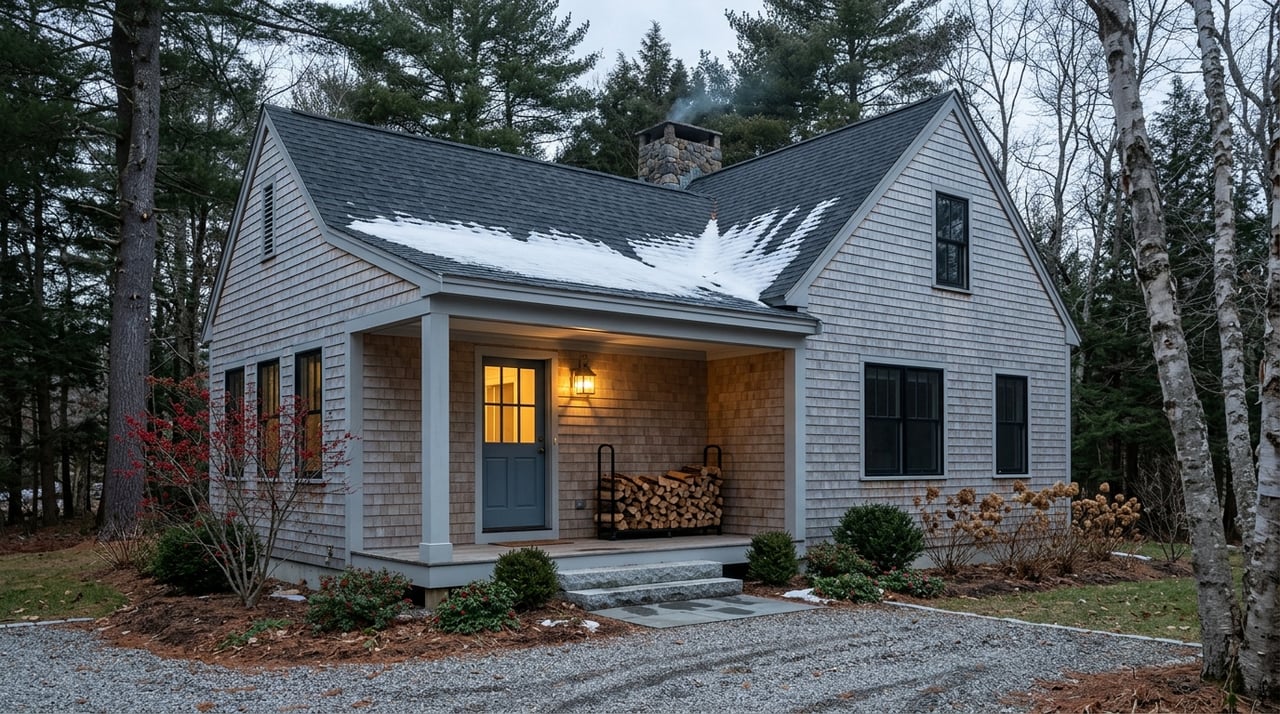
Buyers are often surprised by how varied lakes-region housing can be. In the Sebago area, you may see classic cottages and camps, housekeeping-style seasonal properties, and year-round waterfront homes.
That variety is part of the charm, but it also means you should define your goals early. A rustic seasonal camp may work well for simple summer living, while a four-season second home usually needs a more robust setup for heating, insulation, and winter use.
Think about how often you plan to visit and who will use the home. The right property for a few summer weekends may be very different from the right property for holiday gatherings, remote work stays, or extended shoulder-season trips.
Wells, septic, and disclosures matter
Lake homes often involve systems that need closer review than you might expect in a more typical suburban purchase. If the property has a private well, Maine CDC says the owner is responsible for it and recommends annual testing for coliform bacteria, E. coli, nitrates, and nitrites.
Waste disposal also deserves close attention. A septic system’s age, condition, maintenance history, and capacity can all shape how comfortably you use the home.
Maine disclosure rules also cover topics especially relevant to second-home buyers, including water supply, heating system, waste disposal system, flood hazard status, past flood events, shoreland-zoning proceedings, and other known defects. For a lakes-region purchase, careful document review and inspections are essential.
Seasonal upkeep for second homes
A four-season getaway can be rewarding, but it is still a Maine property exposed to changing weather. Seasonal maintenance is not a side issue. It is part of ownership.
Winterizing for Maine weather
Maine emergency guidance notes that winters commonly bring heavy snowfall, freezing rain, and ice storms. Frozen or burst pipes are also a common source of winter damage.
If the home will sit vacant for stretches, you will want to think carefully about heat, insulation, and preparation. State guidance recommends insulating vulnerable pipes, sealing air leaks, shutting off outside faucets, and leaving heat on when the home will be vacant.
These details can shape which homes make sense for you. A charming camp may look appealing in July, but a better-insulated and better-prepared property may be the smarter four-season fit.
Storm readiness and access
Beyond the house itself, think about access during weather events. Snow, ice, and winter storms can affect how easily you reach the property and how much planning ownership requires.
If you expect spontaneous winter weekends, ask practical questions about driveway conditions, parking, and how the home performs during colder stretches. Those everyday realities often matter more than a photo-perfect view.
Recreation comes with stewardship
Owning near the water can be deeply rewarding, but it also comes with responsibility. Sebago Lake is one of Maine’s largest and deepest lakes, and its shoreline is treated as a drinking-water resource worth protecting.
That means good ownership goes beyond enjoying the setting. It includes understanding how your actions affect water quality, shoreline condition, and long-term lake health.
Ice and trail use
If you enjoy winter recreation, follow Maine guidance closely. The Department of Inland Fisheries and Wildlife recommends checking ice thickness because safety varies by water body, and it does not recommend driving passenger cars or trucks on ice.
Snowmobiling is also a draw in many parts of Maine, but access is not automatic. State guidance says more than 85% of Maine snowmobile trails are on private land, so trail use depends on landowner permission and local club arrangements.
Invasive species protection
Maine DEP warns that invasive aquatic species can affect property values, water quality, fishing, and recreation. For lake owners, that makes stewardship part of normal ownership, not an optional extra.
Clean, Drain, Dry practices, boat inspections, and the Lake and River Protection Sticker for motorized inland watercraft are all part of responsible use in inland waters. If you plan to keep or launch a boat, these are important habits to understand from the start.
If you plan to rent the home
Some buyers hope to offset costs by renting out a second home when they are not using it. That can be part of the plan, but it should be researched carefully before you count on it.
Maine Revenue Services shows a 9% lodging tax rate, and state law generally defines short-term lodging as stays under 30 days. The practical step for buyers is to check local municipal rules and ordinances before advertising a property as a short-term rental.
This is especially important with lake properties, where zoning, occupancy, parking, and use expectations can be more nuanced. A home that works well for personal use may not automatically work the same way as a rental.
Tax and due diligence basics
Another point that sometimes surprises second-home buyers is tax treatment. In Maine, the homestead exemption applies only to a primary residence, and camps, vacation homes, and second residences do not qualify.
For out-of-state buyers or current Maine owners buying an additional property, that distinction matters. It is one more reason to review the numbers carefully before making an offer.
Because lakes-region purchases can involve zoning, well and septic review, weather exposure, insurance questions, and rental considerations, it helps to build the right professional team early. Depending on the property, that may include an attorney, lender, CPA, and insurance professional.
What a smart second-home search looks like
A successful search usually starts with your real lifestyle, not just a favorite listing photo. Think about how many months of the year you plan to use the home, whether you want direct waterfront or simpler access, and how much maintenance you are comfortable managing.
It also helps to rank your priorities. You may need to choose between easier year-round systems, stronger rental flexibility, closer public access, or a more traditional camp-style experience.
When you approach the search with those questions in mind, you are more likely to find a property that fits both your budget and your long-term plans. In a market as varied as Maine’s Lakes Region, clarity up front can save time and help you buy with confidence.
If you are exploring a second home in Maine and want practical guidance on waterfront, seasonal, or year-round options, the team at KW Lifestyle Properties is here to help you navigate the details and move forward with confidence.
FAQs
What makes a Maine Lakes Region second home a four-season property?
- A four-season property is set up for use beyond summer, with features and systems that support comfortable occupancy during fall, winter, and spring as well as warmer months.
What should you verify about lake access before buying near Sebago?
- You should confirm whether the property has direct waterfront, deeded access, shared access, or only nearby public access, because each option affects how you use the property and what rights come with it.
What Maine rules matter for waterfront property changes?
- Shoreland zoning is handled by the municipality, so questions about setbacks, vegetation clearing, frontage, and dock-related issues should be reviewed with the local code enforcement officer.
What should you know about private wells in a Maine second home?
- Maine CDC says private wells are the owner’s responsibility and recommends annual testing for coliform bacteria, E. coli, nitrates, and nitrites.
What winter risks should you plan for at a Maine lake house?
- Maine winters can bring heavy snowfall, freezing rain, ice storms, and frozen or burst pipes, so winterizing and keeping heat on during vacant periods are important planning steps.
What should you know about renting out a Maine second home?
- If you plan to use the property as short-term lodging, you should review municipal rules first and understand that Maine lists a 9% lodging tax rate for this type of use.
Does a Maine second home qualify for the homestead exemption?
- No, Maine’s homestead exemption applies only to a primary residence, not to camps, vacation homes, or other second residences.