If you picture coastal Maine as all postcard views and summer crowds, Cape Elizabeth may surprise you. This town offers the scenery people hope for, but daily life here is shaped just as much by trails, open space, quiet roads, and established homes as it is by the water. If you are exploring a move to the area or simply wondering what living here feels like, this guide will walk you through Cape Elizabeth’s parks, beaches, home styles, and day-to-day rhythm. Let’s dive in.
Why Cape Elizabeth Feels Different
Cape Elizabeth sits about five miles southeast of Portland at the entrance to Casco Bay, but it does not read like a dense suburb. Town materials describe a community with a rural character, a strong connection to farming and fishing heritage, and development that largely hugs the bay side of town.
That mix creates a lifestyle many buyers look for along the Southern Maine coast. You get a Portland-area location with a slower pace, lower-density residential areas, and a strong sense of open space.
Coastal Access Shapes Daily Life
In Cape Elizabeth, the shoreline is not just a backdrop. It influences how people spend free time, where they go for a walk, and what parts of town feel most active during the day.
The town and state park system give you access to beaches, rocky headlands, trails, picnic areas, and broad ocean views. That variety is a big part of what makes the town appealing to both full-time residents and second-home buyers.
Fort Williams Park and Portland Head Light
Fort Williams Park is one of Cape Elizabeth’s best-known landmarks, and for good reason. The town manages Portland Head Light here, and the park itself covers about 90 acres with ocean views, historic structures, recreation areas, picnic facilities, and hiking opportunities.
It is open year-round from sunrise to sunset, so it fits into daily life in every season. The Ship Cove area is rocky at higher tide, and a small sandy beach appears at low tide, which adds another layer to how people use the park.
For many buyers, this part of town helps define the Cape Elizabeth experience. It feels scenic and iconic, but it is also practical for regular walks, outdoor time, and meeting up with family or friends.
Crescent Beach and Kettle Cove
If your ideal Maine lifestyle includes classic beach access, Crescent Beach State Park is a major draw. State park guidance describes it as a mile-long crescent beach with picnic tables, grills, a playground, a bathhouse, and seasonal lifeguards.
Next door, Kettle Cove adds a different coastal feel. It offers views across the water and a walking trail around the cove, making it a favorite kind of stop for people who want something more low-key than a full beach day.
Two Lights and Rocky Shore Views
Two Lights State Park offers a different side of the coastline. Instead of sandy beach space, this area is known for rocky headlands, sweeping views of the Gulf of Maine and Atlantic Ocean, and ties to World War II coastal defense history.
This part of Cape Elizabeth often feels more outdoors-first than resort-like. It is scenic, exposed, and memorable in a way that appeals to buyers who love Maine’s rugged coastal character.
Trails and Conserved Land
Cape Elizabeth’s appeal goes beyond the waterline. The Cape Elizabeth Land Trust describes about 9,000 acres of varied habitat in town, including forests, fields, beaches, marshes, ponds, streams, and working farmland.
That matters because it gives the town depth. You are not just living near the ocean. You are living in a place where open land, trail access, and conservation are part of the local identity.
The Shore Road Path is a good example. Town materials show that it links Town Center to Fort Williams Park, giving residents a scenic route between everyday errands and one of the town’s signature public spaces.
What Homes Look Like in Cape Elizabeth
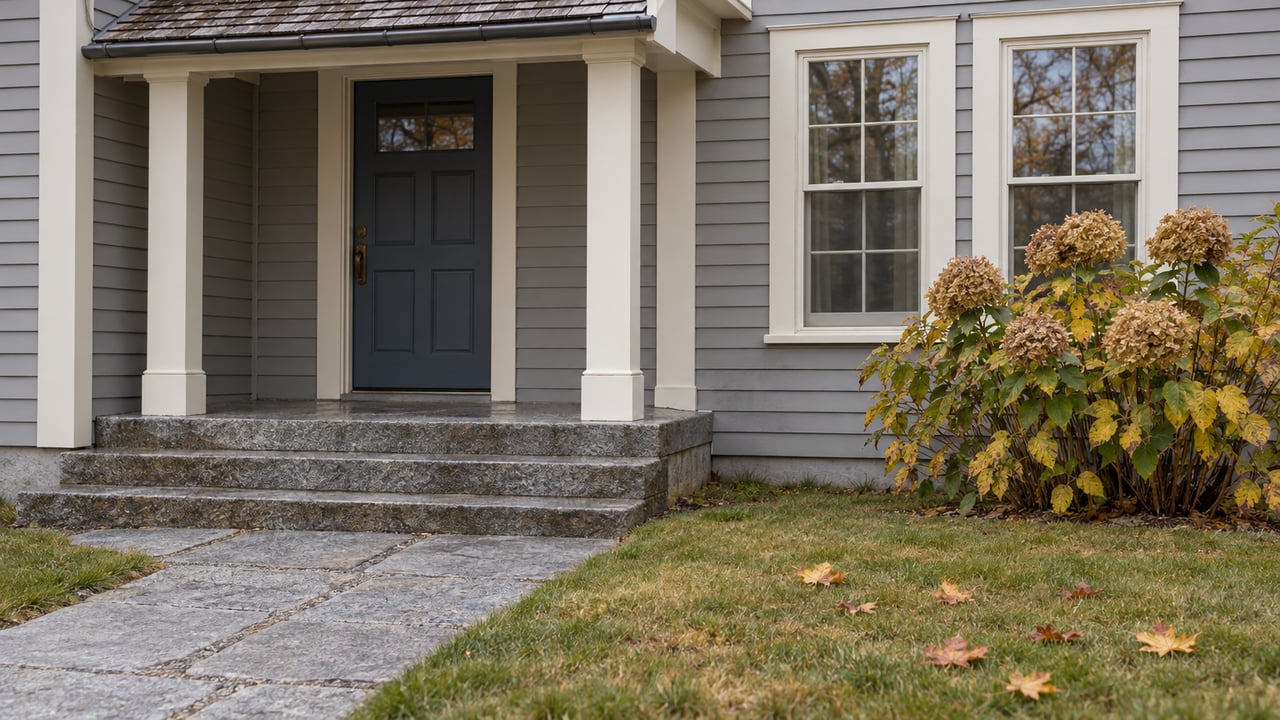
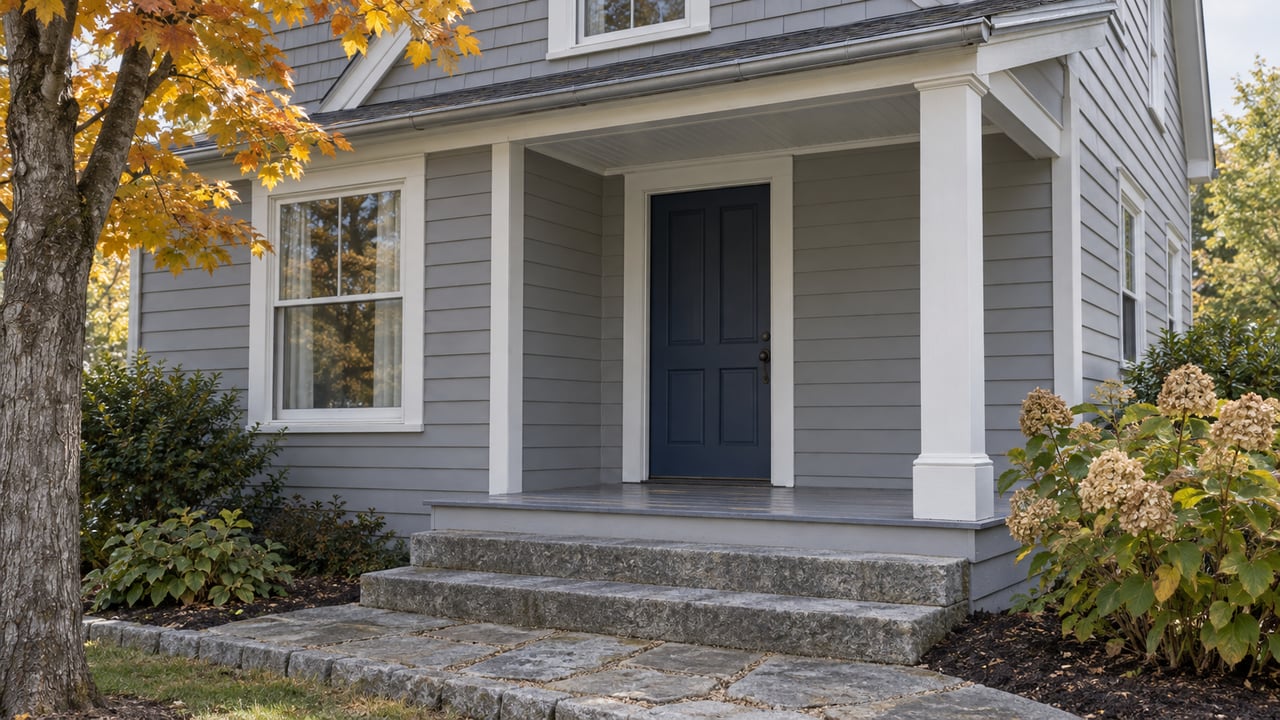
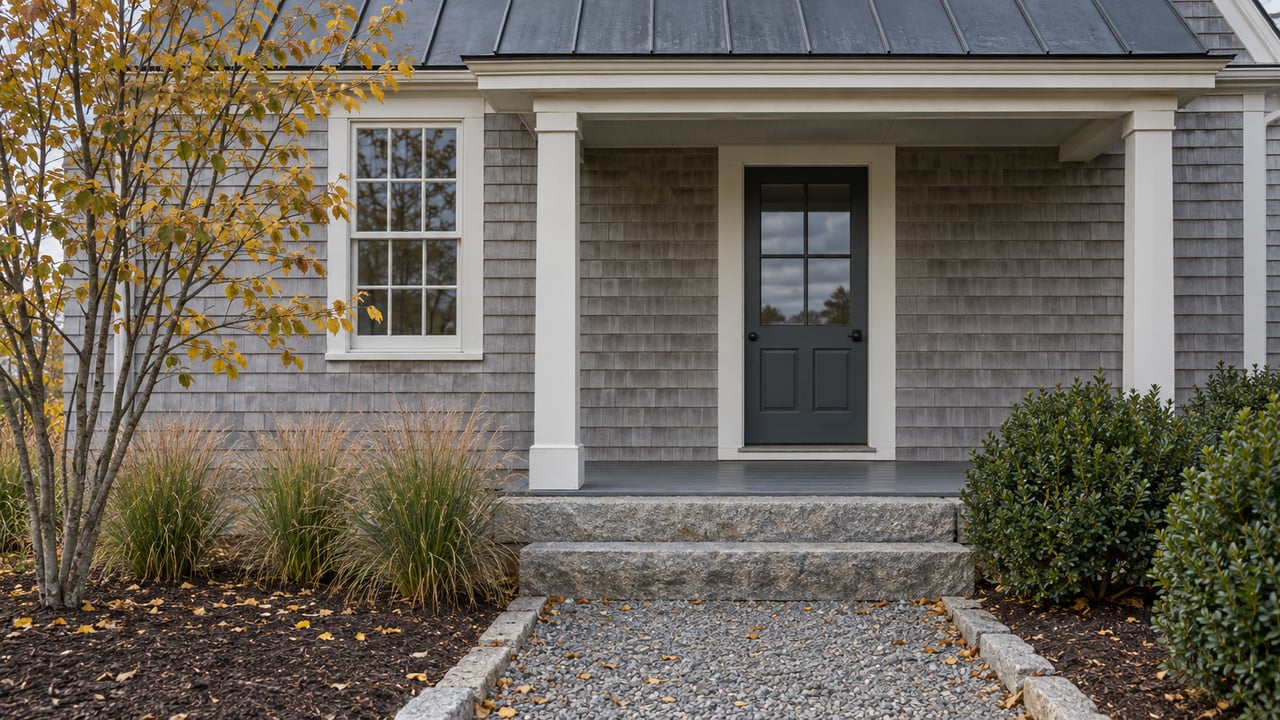
Cape Elizabeth does not have a one-style-fits-all housing stock. What you are more likely to notice is a mix of older homes, coastal cottages, postwar houses, and newer custom properties that still fit the area’s low-density feel.
For buyers, that means the search can feel varied even within the same town. For sellers, it means presentation and positioning matter because homes may share a location but appeal to very different audiences.
Cape and Federal-era influences
Some of the town’s older homes reflect its agricultural roots. The Maine Historic Preservation Commission highlights the Dyer-Hutchinson Farm in western Cape Elizabeth, with a farmhouse described as a one-story Federal-period cape.
That kind of example helps explain why inland parts of town may include simple capes, farmhouses, and other modest historic dwellings. These homes often feel practical, grounded, and tied to the town’s earlier development pattern.
Shingle Style coastal cottages
Cape Elizabeth also has a strong connection to the summer-cottage era, especially in the Delano Park area. Preservation sources identify the Brown-Donahue House there as a strong Shingle Style example.
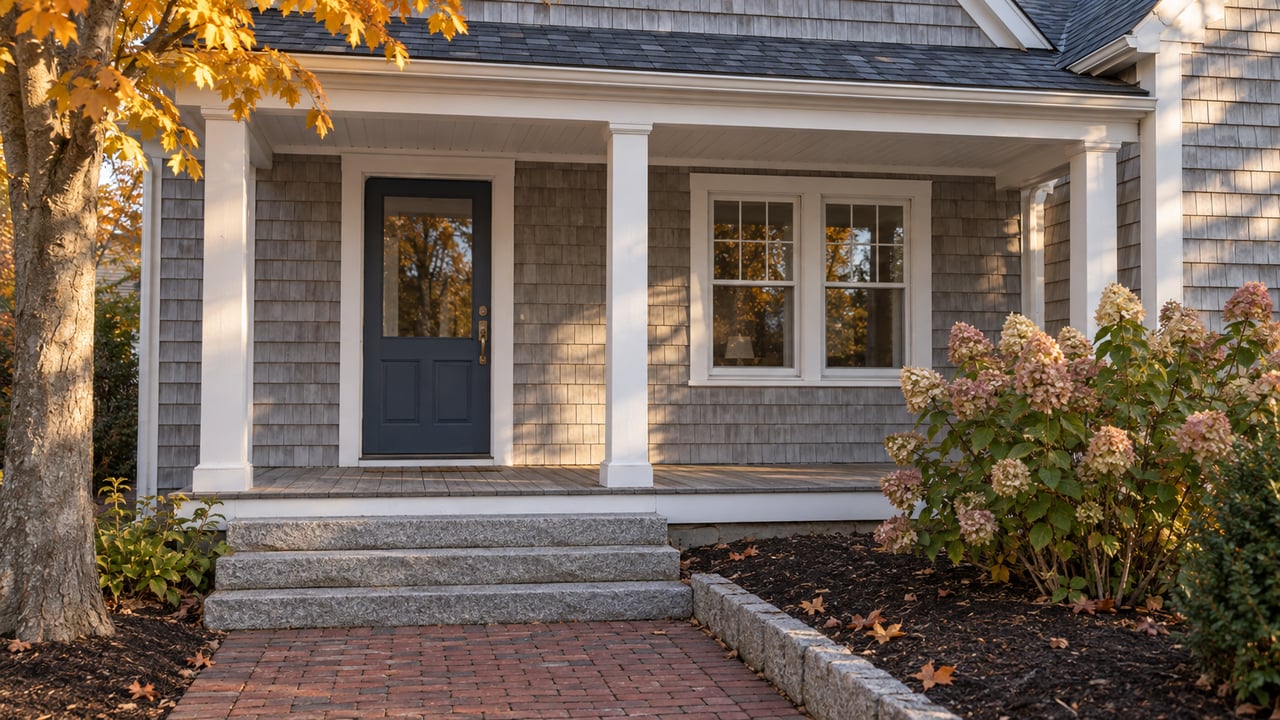
In practical terms, Shingle Style homes often feature low horizontal massing, shingle-clad exteriors, porches, and stone foundations. In a coastal setting, those details help homes feel visually connected to the landscape rather than overly formal.
Postwar ranches and mid-century homes
Not every home in Cape Elizabeth is historic or waterfront-oriented. Maine preservation materials note that ranch houses were the most popular post-World War II home style in Maine, and that influence shows up in Cape Elizabeth as well.
These homes are often found away from the most iconic shoreline parcels. For some buyers, they can offer a more straightforward layout and a different entry point into the market than older coastal cottages or custom shoreline homes.
Newer coastal homes and rebuilds
Town building permit activity also points to ongoing reinvestment in shoreline areas like Shore Road and Sea View Avenue. That includes replacement homes and new single-family house work.
While permits alone do not define the market, they do show that some coastal parcels continue to be updated with larger custom homes. In many cases, that reinforces the town’s established single-family character rather than shifting toward dense redevelopment.
Cape Elizabeth’s Distinct Areas
One of the most helpful ways to understand Cape Elizabeth is to think in terms of micro-areas. Each part of town has its own feel, even though the broader identity stays consistent.
Town Center and Pond Cove
The Town Center and Pond Cove area functions as Cape Elizabeth’s civic and commercial core. This is where Town Hall, Pond Cove Shopping Center, and a village-green concept come together in local planning.
Recent sidewalk work also reinforces this area as a practical everyday hub. If you want to be near errands, services, and a more central in-town rhythm, this part of Cape Elizabeth stands out.
North Shore Road gateway
At the north end of Shore Road, town materials describe a gateway neighborhood business district. This corridor tends to feel more functional and day-to-day than purely scenic.
For buyers, that can be useful context. Not every part of Cape Elizabeth is about dramatic views. Some sections are more about convenience, local businesses, and easy access in and out of town.
Shore Road and Fort Williams
Shore Road is one of the defining corridors in town. The Shore Road Path runs about two miles from Town Center to Fort Williams Park, and town materials note more than 3,000 feet of stone walls between the park and the town center.
This area blends history, public access, and some of the town’s most recognizable scenery. It is also closely tied to the historic summer-cottage identity associated with Delano Park.
Bowery Beach Road and Two Lights
The Bowery Beach Road, Crescent Beach, Kettle Cove, and Two Lights corridor is the most recreation-focused part of town. State park materials emphasize beach access, trails, picnic areas, surf fishing, and seasonal outdoor activity.
That gives the area a scenic, active feel. Even in residential pockets nearby, the atmosphere tends to stay closely connected to the coastline.
West side and Sawyer Road
The western side of Cape Elizabeth has a more rural feel. Preservation and town materials connect this part of town to the community’s farming history and its long-standing open-land character.
If you are drawn to a quieter setting with a little more separation from the shoreline corridors, this area may feel especially appealing. It shows another side of Cape Elizabeth that many casual visitors do not see.
Who Cape Elizabeth Often Fits Best
Cape Elizabeth tends to appeal to buyers who want a scenic coastal routine without giving up access to Portland. It also fits people who value established single-family homes, open space, and a quieter daily pace over a dense downtown setting.
That could mean a local move within Greater Portland, a relocation for lifestyle reasons, or a search for a second home along the coast. In each case, the town’s value comes from the full package: parks, shoreline access, conservation land, and a housing stock with real architectural range.
What to Keep in Mind as You Search
If you are considering Cape Elizabeth, it helps to look beyond just listing photos. Pay attention to how close a property is to the shoreline, trails, Town Center services, or the more rural western side of town.
It is also worth thinking about what kind of home style fits your goals best. A historic cape, a mid-century ranch, a coastal cottage, and a newer custom home can all offer very different living experiences, even within the same community.
If you are planning a move to Cape Elizabeth or preparing to sell a home there, local insight can make the process much easier. The team at KW Lifestyle Properties can help you understand how location, home style, and presentation shape value in this distinctive coastal market.
FAQs
What is daily life like in Cape Elizabeth, Maine?
- Cape Elizabeth offers a quieter coastal routine shaped by parks, beaches, trails, conserved land, and a few compact service areas rather than a large downtown.
What parks and beaches are in Cape Elizabeth?
- Major public spaces include Fort Williams Park, Crescent Beach State Park, Kettle Cove, and Two Lights State Park, each offering a different mix of beach access, trails, views, and recreation.
What kinds of homes are common in Cape Elizabeth?
- Buyers may see older capes and farmhouses, Shingle Style seaside cottages, postwar ranches, and newer traditional or contemporary coastal homes.
What part of Cape Elizabeth feels most walkable for errands?
- The Town Center and Pond Cove area serves as the town’s civic and commercial core, with local services and recent sidewalk improvements supporting everyday convenience.
Is Cape Elizabeth more rural or suburban?
- Town materials describe Cape Elizabeth as retaining a rural character, even though it functions as part of the greater Portland-area residential market.
What makes Cape Elizabeth appealing to homebuyers?
- Many buyers are drawn to its coastal access, open space, established single-family homes, scenic roads, and proximity to Portland without a dense suburban feel.