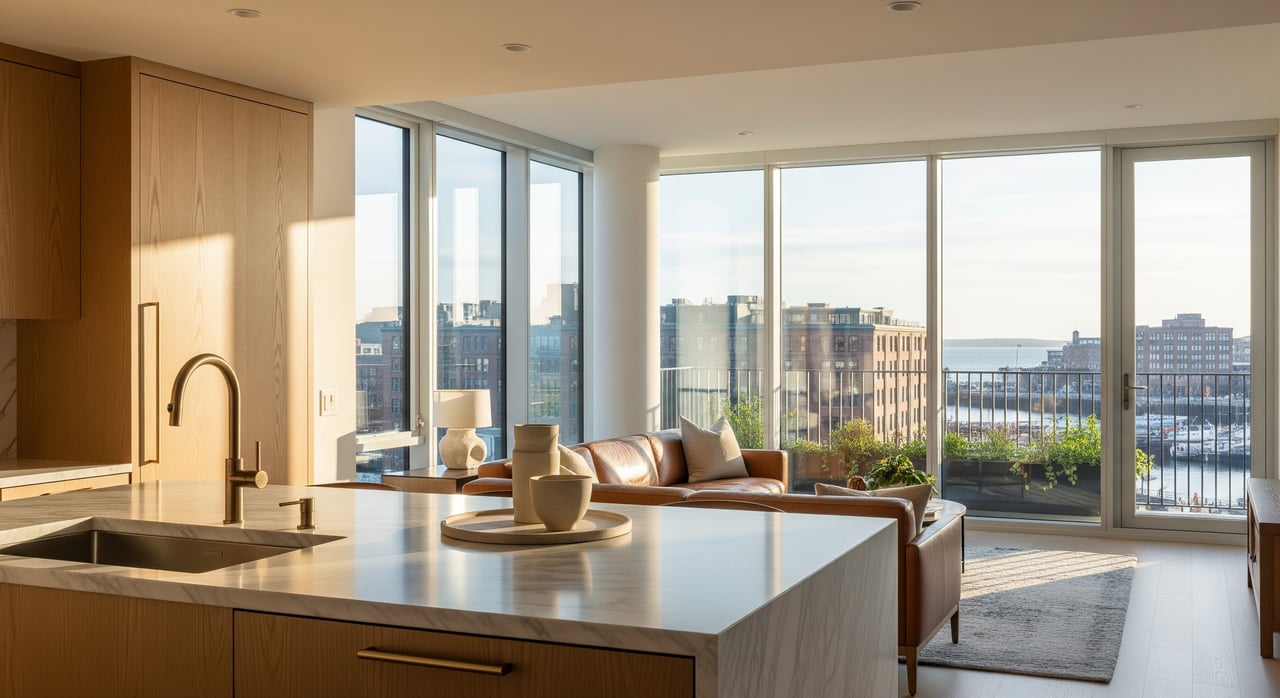
Eyeing a Downtown Portland condo and want to win without overpaying or taking big risks? You’re not alone. This market attracts primary buyers, second-home seekers, and investors, which can make great listings move fast. In this guide, you’ll learn how to prepare your financing, review condo documents quickly, and craft a clean, competitive offer that still protects you. Let’s dive in.
Know the Downtown Portland condo landscape
Downtown Portland’s condo scene blends historic brick conversions with newer mid-rise buildings and mixed-use projects. Older buildings can carry unique maintenance needs and reserve questions, while newer properties may have different HOA structures. That mix shapes lender approval and your offer strategy.
Buyer demand can feel seasonal in New England, with slower periods in late fall and winter and more activity in spring and summer. To set expectations on pricing and speed, review current data from Maine Listings and keep an eye on local coverage from the Portland Press Herald’s real estate section.
Get fully lender-ready before you tour
Move from prequalification to preapproval
A full preapproval shows sellers you’ve cleared the big hurdles. Ask your lender for a written preapproval with the loan type, amount, and any remaining conditions, such as appraisal or condo project approval. If you need a refresher on the process, the CFPB’s guide to getting a mortgage is a solid overview.
Verify the building is financeable
Condo eligibility can make or break your deal. Many loans require projects to meet Fannie Mae’s project eligibility or Freddie Mac’s condominium project review. If a building is non-warrantable, your lender may require a larger down payment or a portfolio loan. Want an FHA or VA loan? Confirm the building appears on HUD’s FHA condominium approval search before you write an offer.
Account for HOA fees and assessments
Your lender will include HOA dues in your debt-to-income calculations. Share the current HOA statement and any known special assessments with your lender early. This keeps your preapproval accurate and avoids late surprises.
Prepare proof of funds
Gather recent bank statements or an escrow letter for your earnest money. If you plan to make a cash offer, have proof of funds ready. Some lenders expect funds to be seasoned in your account for a period, so check timing.
Choose the right loan for condos
Conventional loans often close faster when condo approval is an issue. If you prefer FHA or VA and the project isn’t approved, consider a conventional path or be prepared for a longer timeline if approval is pursued.
Consider a pre-inspection if paying cash
If the seller allows it, a presale inspection can help you feel comfortable limiting your inspection contingency without taking on blind risk.
Master the HOA and condo-document review
Request these documents immediately
Ask the seller or property manager for a complete packet as soon as you’re serious:
- Declaration (master deed) and amendments
- Bylaws and rules/regulations
- Current operating budget and most recent financials
- Reserve study (latest)
- Meeting minutes for the past 12–24 months
- Insurance certificate and coverage summary
- Delinquency report/owner ledger
- Notices of pending or recent special assessments
- Any pending or threatened litigation
- Management contract (if applicable)
- Rental policies and owner-occupancy data
- Warranty info for recent capital work
- Lender condo questionnaire, if your lender requires it
Scan for red flags fast
Focus on the financials and minutes first. Watch for low reserves, repeated or growing special assessments, litigation, insurance gaps, or evidence of deferred maintenance. High investor or single-entity ownership can affect financing options. If anything looks unclear, loop in a condo-savvy attorney quickly.
Use a 72-hour review plan
Prioritize your review in this order: budget and reserves, meeting minutes from the last several months, litigation and insurance, then occupancy and rental rules. If the seller can provide a recent, complete packet upfront, it strengthens your offer and shortens your contingency period.
Build a competitive, low-risk offer
Price and escalation strategy
You can lead with a strong price or use an escalation clause that lifts your offer above a competing bid up to a capped amount. If you escalate, require written proof of the competing offer and keep your language clear.
Earnest money that signals strength
A larger, on-time earnest money deposit shows commitment. Keep it refundable during your inspection and financing periods. Avoid non-refundable structures unless you’ve completed meaningful due diligence and fully understand the risk.
Keep protections, shorten timelines
- Inspection: Instead of waiving, shorten the window to 5–10 days and respond fast. Consider an as-is approach limited to major systems only if you’ve done adequate homework.
- Financing: Provide a firm preapproval and shorten the loan-approval period if practical. Avoid full waivers unless paying cash.
- Appraisal: Offer a capped appraisal gap guarantee so you can cover a defined shortfall without removing the contingency entirely.
- HOA and title: Keep specific, short review periods. Allow termination for defined material issues such as pending litigation or significant insurance gaps.
Non-price terms sellers value
Match the seller’s ideal timeline. Offer a quick close if you can, or a short rent-back if the seller needs time. Offer to cover reasonable HOA document or transfer fees. Small, clean concessions can carry weight in a tight contest.
Communication wins
Your offer package should be simple and complete: preapproval letter, proof of funds, clear timelines, and any flexibility on closing. Your agent’s responsiveness and reputation can help your offer rise to the top.
What happens after acceptance
Immediate
- Deliver earnest money as the contract specifies.
- Send updated documents to your lender so they can order the appraisal and start condo eligibility review.
- Request the final HOA packet and share it with your lender and attorney.
- Schedule your inspection promptly and add specialists as needed (pest, structural, historic systems).
During contingencies
- Review the inspection report and submit any repair requests or credit asks within your window.
- Respond quickly to lender conditions, including insurance binder, HOA statements, and updated financials.
- If the project is flagged as non-warrantable, consider a price concession, a higher down payment, a portfolio loan, or termination per your contract.
Pre-closing
- Review your closing disclosure and wire certified funds.
- Set up utilities, homeowner’s insurance, and HOA move-in protocols.
- Ensure required condo certificates or estoppels are ordered on time.
Smart tactics by buyer type
- Primary residence buyers: Lead with a clean, well-supported price and tighter timelines. Keep inspection and appraisal protections but use short windows and clear responses.
- Second-home or relocating buyers: Arrange remote-friendly steps. Verify rental policies early if occasional renting is part of your plan, and confirm building financeability with your lender upfront.
- Investors: Review rental caps, minimum lease terms, and any short-term rental restrictions in the documents. Check the owner-occupancy ratio and lender eligibility to avoid financing surprises.
Downtown Portland condo offer checklist
- Full lender preapproval, not just prequalification
- Early confirmation of condo project eligibility with your lender
- Proof of funds ready for earnest money and reserves
- HOA dues and any assessments vetted with your lender
- Complete HOA document packet requested on day one
- Inspection scheduled within 24 hours of acceptance
- Offer terms: strong price or escalation, larger refundable deposit, tight but fair contingencies
- Clear communication on closing timing and any rent-back flexibility
Winning in Downtown Portland is about speed with safety. When you pair strong financing, fast HOA review, and thoughtful offer terms, you put yourself in the best position to secure the condo you want.
Ready to refine your strategy and move fast on the right Downtown Portland condo? Let’s map your plan and set up lender and HOA prep now. Connect with KW Lifestyle Properties to get started.
FAQs
What makes a Downtown Portland condo offer competitive?
- Clean financing with a full preapproval, short but sensible contingency timelines, and flexible closing terms tailored to the seller’s needs.
How do I check if a condo is FHA approved?
- Search the building on HUD’s FHA condominium approval list or ask your lender to confirm current status.
What condo documents should I review first?
- Start with the budget, reserves, and last several months of meeting minutes, then review litigation, insurance, and rental policies.
Are escalation clauses a good idea in Portland?
- They can be effective if clearly drafted with a cap and proof requirements; use them when multiple offers are likely and you want to stay competitive.
How can I reduce risk without waiving inspection?
- Shorten the inspection period, focus on major systems, and consider a pre-inspection if allowed. Negotiate credits instead of broad repair demands when possible.